When You Shouldn't Sell Your House to Us
Garner Group Inc — 12 years in San Diego real estate, buying and renovating houses since 2016. Michael Garner is a licensed California real estate agent (DRE #01969152) purchasing property for his own account, not representing sellers. Douglas Elliman is a licensed California real estate broker, DRE #01947727.
The short version
Do not sell your house to a cash buyer if it is already renovated, if the only work it needs is cosmetic, if you have the time and the nerve to list it, or if you owe more than it is worth. In the first three cases the open market will pay you more than we will. In the fourth, a cash sale is not actually available to you and anyone telling you otherwise is wasting your time.
We turn down houses every month. Not because we cannot buy them — because the seller would be worse off if we did, and they usually have not been told that by anyone else who called them.
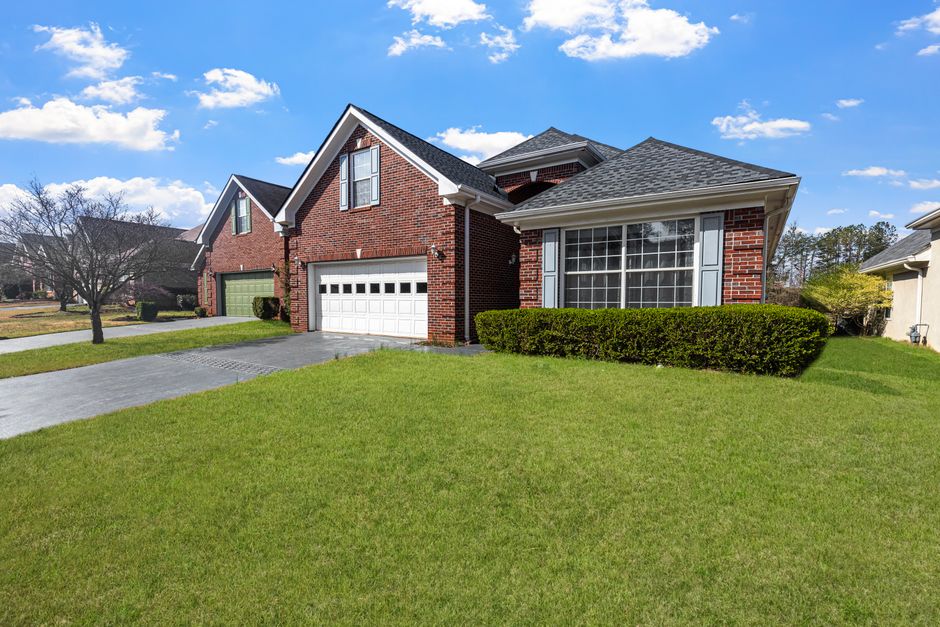
The house is already renovated
This is the clearest one. If the kitchen and bathrooms have been done, the roof and systems are sound, and a buyer with a normal mortgage could get it through an appraisal without conditions, there is nothing for us to add. Our business is buying houses that need work and doing that work. On a house that needs none, we would just be a buyer paying less than the market would.
List it. In San Diego County, a renovated house in good condition does not sit, and even after commission you will net more than any as-is cash offer, including ours. If you want, get the cash offer anyway and use it as your floor — but do not take it because it arrived first.
It only needs cosmetic work
Paint, carpet, landscaping, and a deep clean are the highest-return work you can do to a house, and they are cheap relative to what they add. A cash as-is offer prices the house as though that work has not been done, so selling as-is to avoid a weekend of painting is an expensive way to skip a weekend of painting.
The line we use is whether the problem is behind the walls. Original electrical, a roof at the end of its life, cast iron drains, foundation movement, or unpermitted square footage are structural problems that stop a conventional sale — those are ours. Dated worktops and tired carpet are not. If you are not sure which side your house falls on, the three things to check are the roof, the panel, and whether any of the square footage was ever permitted.
You have time and no real pressure
What a cash buyer sells is certainty and speed. If you do not need either, you are paying for something you are not using. A conventional sale takes somewhere between 30 and 60 days once it is in escrow, plus however long the house takes to go under contract — and if you can absorb that timeline without it costing you anything, absorb it.
The version of this that catches people out is thinking they are under pressure when they are not. An inherited house that the estate can afford to carry, or a job that starts in four months, is not a deadline. Be honest with yourself about which one you are in before you decide.
You owe more than the house is worth
If the mortgage balance, arrears, and any liens add up to more than the house will sell for, no cash buyer can simply buy it. The sale needs the lender to approve taking less than it is owed, which is a short sale — a process that takes months, involves the lender's own timeline, and is not guaranteed to be approved at all.
Anyone promising you a 7 to 10 day close in that situation either has not looked at your payoff or is not planning to close. Talk to your lender's loss mitigation department and a HUD-approved housing counsellor first. Their help costs nothing, and if keeping the house is possible, that beats every version of selling it.
When selling to us is the right call
The house needs real work — systems, roof, foundation, permits — and you do not want to fund it, manage it, or carry the risk of what turns up once the walls are open. Or the timeline is genuinely the constraint: a trustee's sale date, a court order, an estate bleeding money on taxes and insurance on an empty house, or a purchase on the other end that falls apart if this one is late.
In those cases the trade makes sense. You give up some price and you get a date you can plan around, no repairs, no showings, and a number that does not move between acceptance and closing.
If you are not sure which category you are in, call and describe the house. We will tell you which one it is, including when the answer is that you should list it.
Garner Group buys San Diego houses that need work. If yours does not, we will say so on the first call — no hard sell, and we will not tie your house up while you think about it.
FAQ
How do I know if my house is 'good enough' to just list?
If a buyer using a normal mortgage could get it through an appraisal and a lender's conditions without repairs first, list it. That mostly means a sound roof, working systems, no major structural issues, and no unpermitted square footage being counted in the price.
What if I need to sell fast but the house is in good condition?
Price it slightly under the comparable sales and list it. A well-priced San Diego house in good condition does not sit, and you will still net more than a cash as-is offer even accounting for commission and a few extra weeks.
Is a cash offer ever worth it on a house that needs nothing?
Rarely on price alone. It can be worth it when certainty is the product you are buying — a court deadline, a trustee's sale date, or a purchase on the other end that collapses if this one is late.
How do I know if my project is the right fit before calling?
Three things you can check yourself: is the roof at the end of its life, are the electrical and plumbing original, and is any of the square footage unpermitted. If none of those is true, list the house. If two or more are, call us.
Find out what we'd pay.
Tell us about the house. We'll come and look at it, explain how we got to the number, and tell you plainly if you would do better listing it instead.